When Your Body Feels Different Before and After Pregnancy
Pregnancy and the postpartum period bring significant physical changes. Muscles stretch, joints adapt, and movement patterns shift to support a growing body and recovery after delivery. Many people notice discomfort during this period that affects walking, sleeping, lifting, or daily care tasks. These changes can feel unexpected or persistent, but you don’t have to manage them alone. PTPro Physical Therapy provides care for pre/post-partum pain in Bellevue, WA that supports movement, strength, and long-term comfort.
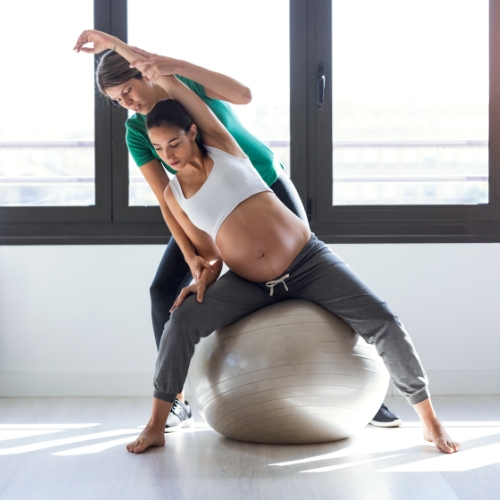
Understanding Pre- and Post-Partum Pain
The spine, hips, and pelvic floor work together to manage posture and movement. But during pregnancy and after birth, the body undergoes structural and mechanical changes. The pelvis widens, the abdominal wall lengthens, and the pelvic floor adapts to increased load and pressure. Hormonal changes also influence joint mobility and tissue elasticity, affecting stability and coordination.
After delivery, tissues begin to recover, but coordination and strength may not return automatically. Pre- and post-partum pain relief focuses on restoring efficient movement and muscle timing so the body can manage daily demands more comfortably.
Exploring the Causes and Symptoms of Pre- and Post-Partum Pain
Pre- and post-partum pain often reflects how the body adapts to physical changes rather than a single injury. Identifying patterns helps guide effective care.
The following factors commonly contribute to discomfort during pregnancy and after delivery:
- Changes in pelvic and spinal alignment
- Reduced coordination between the core and pelvic floor
- Increased joint mobility that affects stability
- Muscle length and strength changes in the hips and abdomen
- Postural adjustments related to daily activities and caregiving
As these factors interact, people may notice symptoms that affect movement and confidence, such as:
- Low back or pelvic discomfort
- Hip or groin pain during walking or standing
- Pressure or heaviness in the pelvic region
- Difficulty with prolonged sitting or lifting
- Reduced confidence with movement or exercise
- Discomfort during daily care tasks
Physical therapy for pre- and post-partum pain addresses these symptoms by improving how the body moves and supports itself.
Why Physical Therapy is Important During and After Pregnancy
Pregnancy places unique and ongoing demands on the body. Muscles, joints, and connective tissues must adapt to support posture, balance, and movement as the body changes. Physical therapy provides structured support during this time, helping the body manage these demands with better coordination and comfort.
After delivery, the body continues to adjust as tissues recover and movement patterns shift again. Physical therapy helps guide this transition by restoring strength, coordination, and movement confidence. Care during and after pregnancy supports safe activity, improves body awareness, and helps individuals feel more capable during daily tasks and long-term recovery.
Physical Therapy Techniques for Pre- and Post-Partum Care
PTPro Physical Therapy uses evidence-based techniques to support pre- and post-partum pain relief and functional recovery, with an emphasis on education, guided exercise, and active participation. Some of the techniques we might suggest include:
- Core and pelvic floor coordination training
- Breathing strategies to support pressure management
- Manual therapy to address mobility restrictions
- Hip and lower body strengthening to improve stability
- Postural and movement retraining for daily activities
Move with Confidence Through Every Stage of Pregnancy
Don’t let pre- and post-partum pain limit your daily life. Skilled care at PTPro Physical Therapy can improve strength, coordination, and movement confidence. Our skilled physical therapists provide pre- and post-partum pain relief that focuses on function and long-term well-being. If you want supportive, individualized care, contact our Bellevue, WA clinic today to schedule an appointment.
FAQs
Can physical therapy help with daily tasks like lifting or caring for a baby?
Is it normal to have lingering pain after childbirth?
When can I return to exercise after pregnancy with physical therapy support?
Your Next Steps…
- Request An Appointment
- Receive A Custom Treatment Plan
- Work Hard and Progress In Your Recovery
- Recover & Enjoy Life Pain-Free