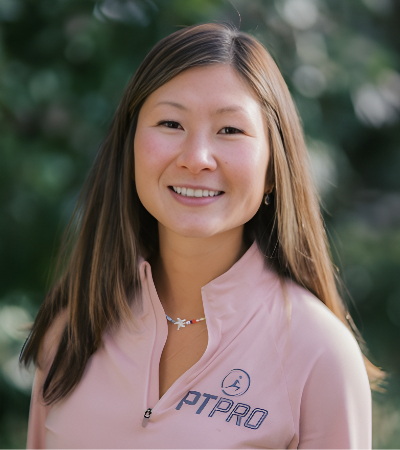
Connie Zhang received her Doctor of Physical therapy from the University of Washington, as well as her B.A. in Economics and Chinese language arts and literature from Emory University. Connie is a dedicated physical therapist whose passion for the profession comes from a deeply personal experience. She experienced firsthand the uncertainty, fear, and frustration that can accompany a major injury. That experience sparked her interest in physical therapy and shaped the kind of clinician she is today: compassionate, curious, hands-on, and deeply committed to helping people get back to the lives they love.
Connie believes physical therapy should be personal, practical, and constantly evolving. She does not believe in a one-size-fits-all treatment plan. Connie’s approach draws from a broad range of evidence-based techniques, including manual therapy, therapeutic exercise, neuromuscular re-education, mobility and flexibility training, strength training, movement retraining, balance and coordination work, functional rehab, and patient education. Connie’s goal is not only to help patients feel better, but to understand the underlying problem, address it thoughtfully, and give patients practical strategies they can carry into their everyday lives.
Connie’s love of movement extends well beyond the clinic. She enjoys staying active through hiking, weightlifting, and Pilates, and she understands how meaningful it is to be able to move freely and participate in the activities you love. She wants that same freedom for every patient she treats—whether that means helping an athlete return to competition, helping an older adult maintain strength and independence, or helping someone simply get back to hiking, exercising, playing with their children, or living without fear of pain.
To Connie, health is our biggest flex in life. Physical health and mental health are deeply connected: how we move and feel physically can influence how we feel mentally, and our mental well-being can directly affect how we move, heal, and care for ourselves. Her ultimate goal is to help patients build both—because being strong, capable, and healthy is not simply about treating an injury; it is about having the freedom to live the life you want.