Don’t Let Jaw Discomfort Affect Everyday Comfort
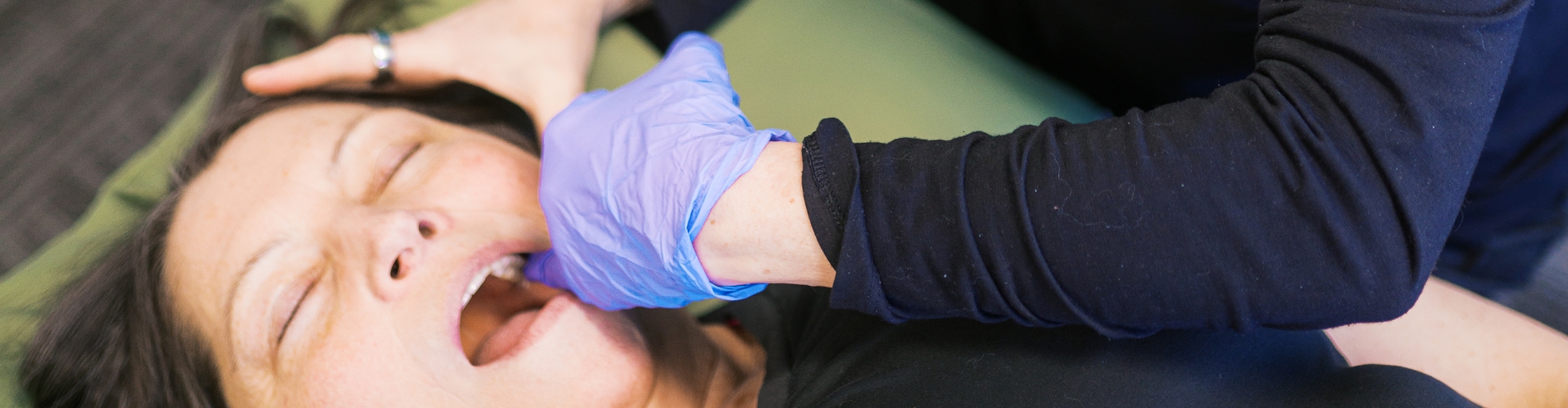
TMJ discomfort can affect talking, chewing, yawning, and concentration throughout the day. Many people notice tension near the jaw, face, or ears, not realizing these symptoms can also influence posture and neck movement as well. Fortunately, PTPro Physical Therapy can help treat TMJ disorders in Bellevue, WA through focused physical therapy that improves jaw movement, coordination, and overall comfort.
A Closer Look at the Temporomandibular Joint
TMJ pain stems from dysfunction in the temporomandibular joint, which connects the lower jaw to the skull. This joint works with muscles, ligaments, and nerves to control jaw opening, closing, and side-to-side movement. The TMJ must coordinate smoothly with the neck and upper spine to support speaking, chewing, and facial expression.
Healthy TMJ function depends on balanced muscle activity and proper joint alignment. The jaw moves many times each day, which places repeated demand on these structures. When coordination changes, the joint may not move efficiently. TMJ treatment focuses on restoring controlled movement and reducing excess strain on the jaw and surrounding tissues.
Looking at the Causes and Symptoms of TMJ Dysfunction
TMJ dysfunction often involves multiple contributing factors related to movement, posture, and muscle control. Understanding these patterns helps guide effective care. Some of the factors we often see at PTPro Physical Therapy include:
- Muscle tension in the jaw, face, or neck
- Altered posture that affects head and jaw alignment
- Reduced coordination between the jaw and neck
- Repetitive jaw use during daily activities
- Changes in movement patterns over time
As these factors interact, people may experience symptoms that affect daily comfort and function, including:
- Jaw pain or tenderness
- Clicking or popping sounds during jaw movement
- Difficulty opening or closing the mouth smoothly
- Facial or ear discomfort
- Tension headaches related to jaw movement
- Stiffness in the jaw or neck
Our physical therapists can evaluate how these symptoms relate to movement and muscle coordination rather than focusing on isolated structures.
The Importance of Seeking Care for TMJ Pain
Jaw discomfort often leads people to limit movement or alter posture, which can increase muscle tension and affect the neck and upper back. Over time, restricted movement may reduce coordination and increase sensitivity.
Physical therapy addresses TMJ dysfunction by improving how the jaw and surrounding areas work together. Our therapists assess posture, jaw mechanics, and neck movement to identify patterns that increase strain. Addressing these patterns supports smoother movement and better tolerance for daily jaw use.
How Physical Therapy Addresses TMJ Dysfunction
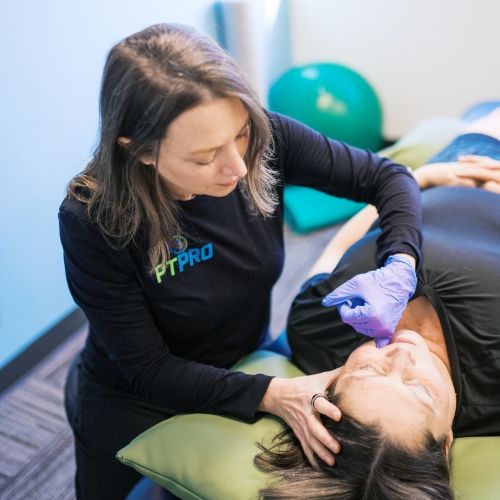
At PTPro Physical Therapy, we’ll work closely with you to better understand your jaw mobility, muscle activity, and other factors that might be contributing to your pain. Our Treatment plans emphasize education, guided movement, and active participation using techniques such as:
- Manual therapy to improve jaw and neck mobility
- Jaw movement exercises to improve coordination and control
- Postural training to support head and jaw alignment
- Muscle relaxation strategies to reduce excess tension
- Education on daily habits that influence jaw movement
Restore Comfortable Jaw Movement with PTPro Physical Therapy
Physical therapy for TMJ dysfunction can improve jaw coordination, reduce tension, and support long-term function. At PTPro Physical Therapy, our skilled team provides TMJ treatment that focuses on movement quality and lasting improvement. If jaw pain is negatively impacting your life, schedule an appointment at our Bellevue, WA clinic to begin treatment.
Frequently Asked Questions
Can physical therapy help with jaw clicking or popping?
Does neck posture affect TMJ dysfunction?
How long does TMJ physical therapy take to show improvement?
Your Next Steps…
- Request An Appointment
- Receive A Custom Treatment Plan
- Work Hard and Progress In Your Recovery
- Recover & Enjoy Life Pain-Free