
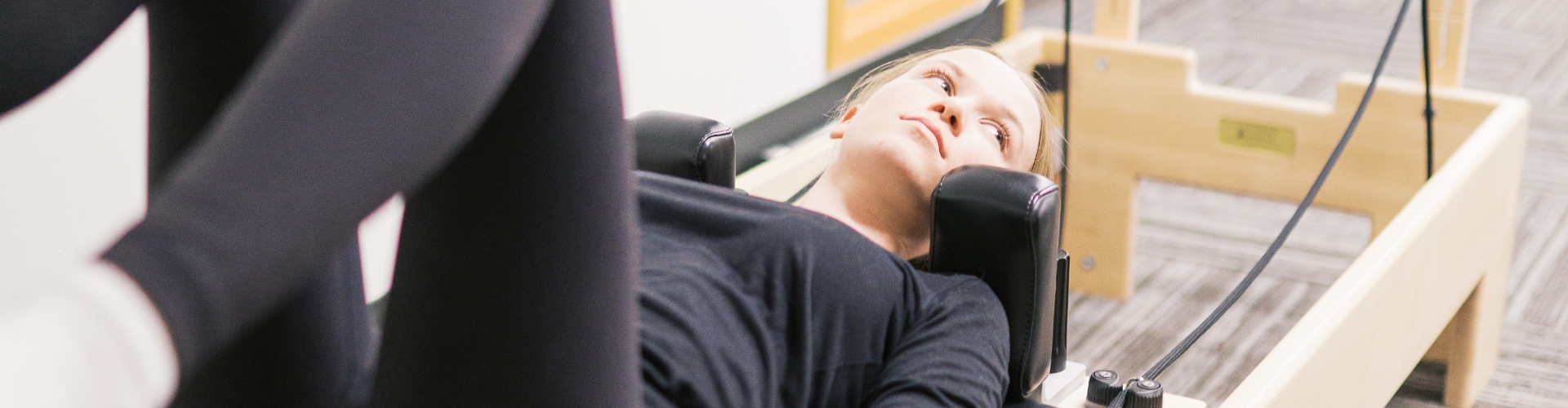
When Pelvic Pain Disrupts Comfort and Control
Pelvic pain is often difficult to discuss, even though it can affect sitting, walking, exercise, and daily comfort. Many people feel unsure where to turn when symptoms persist or interfere with routine activities. PTPro Physical Therapy provides pelvic pain relief in Bellevue, WA through focused physical therapy that supports coordinated movement, strength, and function.
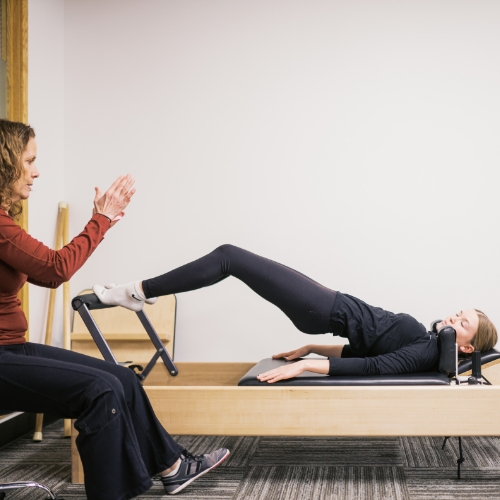
Understanding the Pelvic Floor
Pelvic pain stems from issues with the pelvic floor, a group of muscles, connective tissues, and nerves that support the bladder, bowel, and reproductive organs. These muscles also work closely with the diaphragm, abdominal muscles, and hips to manage pressure and support daily activity, meaning they play a key role in posture, breathing, core stability, and movement control.
Pelvic pain often develops when the pelvic floor loses normal coordination. Muscles may become overactive, underactive, or poorly timed during movement. Changes in muscle tone and control can affect how the body manages load, posture, and internal pressure. Pelvic floor physical therapy focuses on restoring balanced muscle activity so the pelvic region can function with better comfort and control.
Common Causes and Symptoms of Pelvic Pain
Pelvic pain often involves a combination of muscular, movement, and coordination factors. Understanding these patterns helps guide effective care.
Several factors can contribute to pain in the pelvic region, including:
- Reduced coordination between the pelvic floor and core muscles
- Changes in muscle tension within the pelvic region
- Altered breathing or posture patterns
- Limited hip or trunk mobility
- Difficulty managing pressure during movement
As these factors persist, people may notice a range of symptoms that affect daily life, such as:
- Pelvic discomfort during sitting or movement
- Pain during exercise or daily activity
- Feelings of pressure or heaviness in the pelvic area
- Difficulty relaxing or engaging pelvic muscles
- Reduced confidence with movement or activity
Our pelvic floor specialists can evaluate how these symptoms relate to movement and muscle control rather than focusing on isolated structures.
The Role of Physical Therapy in Addressing Pelvic Pain
PTPro Physical Therapy uses evidence-based pelvic floor therapy techniques to address pelvic pain and restore functional movement. We begin with a detailed assessment of posture, breathing, strength, and movement patterns, using that information to create a personalized treatment plan that emphasizes education, guided movement, and patient participation.
Some of the techniques we use in our plans include:
- Pelvic floor muscle training to improve coordination and control
- Breathing strategies to support pressure management and muscle timing
- Manual therapy to address soft tissue restriction and mobility limits
- Core and hip strengthening to support pelvic stability
- Movement retraining to improve function during sitting, lifting, exercise, and bathroom tasks
We also focus on teaching patients how to apply these skills outside the clinic, as movement habits can influence pelvic comfort and function.
Restore Pelvic Comfort and Movement Confidence
Pelvic pain doesn’t need to limit daily life or activity choices. PTPro Physical Therapy provides pelvic floor therapy that focuses on function and long-term improvement, helping to improve coordination, comfort, and confidence with movement. If you’re ready to begin addressing dysfunction in your pelvic floor, schedule an appointment at our Bellevue, WA clinic today!
Frequently Asked Questions
Can pelvic floor physical therapy help pelvic pain without medication?
What should I expect during pelvic floor therapy?
Is pelvic floor therapy only for women?
Your Next Steps…
- Request An Appointment
- Receive A Custom Treatment Plan
- Work Hard and Progress In Your Recovery
- Recover & Enjoy Life Pain-Free