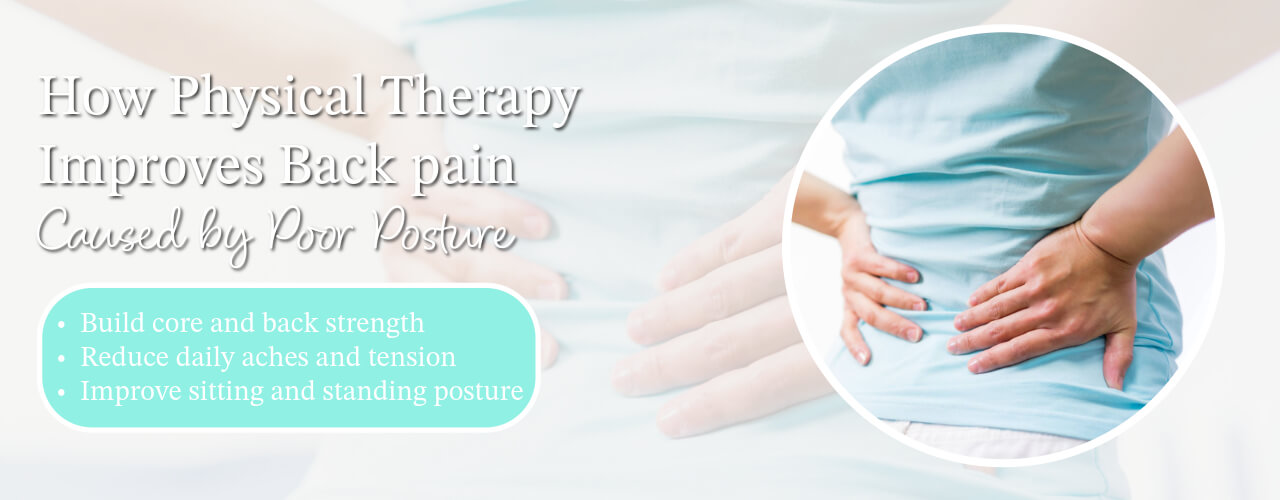

Poor posture is one of the leading contributors to musculoskeletal pain, particularly in the lower and upper back. For many patients, slouched sitting, extended screen time, and improper movement patterns can lead to discomfort that interferes with daily life. When Jennifer first came to PTPro Physical Therapy, she had been living with back pain from poor posture for over a year. Her discomfort had gradually increased, eventually affecting her ability to sit at work, sleep comfortably, and stay active.
Jennifer (not her real name) was 38 years old, worked remotely, and spent over eight hours each day seated at her desk. She noticed dull aching between her shoulder blades and intermittent sharp pain in her lower back, especially after long work sessions. Stretching helped temporarily, but the pain always returned. She wanted a long-term solution that would help her feel stronger, sit more comfortably, and avoid further injury.
Initial Evaluation and Movement Assessment
At her first visit to PTPro Physical Therapy, Jennifer underwent a full posture and movement analysis conducted by a licensed physical therapist. Her evaluation showed:
- Rounded shoulders and forward head posture
- Limited thoracic spine mobility
- Weak core and upper back muscles
- Overreliance on low back extensors during sitting and movement
The therapist explained that her back pain from poor posture was likely the result of sustained positions that placed stress on her spine and muscles. Rather than focusing only on temporary relief, the goal was to improve posture, strengthen key muscle groups, and re-educate movement patterns.
How Physical Therapy Helped Jennifer Address Back Pain from Poor Posture
Jennifer’s physical therapy plan included a progressive approach that focused on realigning her posture and restoring strength. Her personalized care included the following key components:
1. Postural Education and Ergonomic Support
The first step in treatment was helping Jennifer understand how her sitting and standing habits contributed to her pain. Her therapist reviewed ideal desk ergonomics and helped her make changes to her workstation. She was also taught how to perform posture resets throughout the day to reduce prolonged strain.
2. Manual Therapy to Improve Mobility
Manual therapy techniques were used to improve thoracic spine mobility and reduce tension in the surrounding muscles to address tightness in her upper back and shoulders. This made it easier for her to sit upright without strain.
3. Core and Upper Back Strengthening
A major focus of her care involved targeted strengthening exercises. Jennifer’s therapist designed a plan that included exercises for the deep core muscles, shoulder stabilizers, and thoracic extensors. These movements were introduced gradually and progressed over time to support sustained posture and reduce compensation.
4. Movement Re-Training
Jennifer was coached on how to perform everyday movements with better body mechanics. She learned how to sit, stand, and bend in ways that minimized stress on her spine. These skills helped her maintain better posture outside of therapy sessions.
5. Home Program and Reinforcement
Jennifer was provided with a home exercise program and daily movement checklist. These tools supported her consistency and helped reinforce what she was practicing in each session.
Before and After: Jennifer’s Progress Over Time
When she began treatment, Jennifer reported pain during work hours and in the evening. She had trouble sitting through meetings, driving for more than 30 minutes, and staying active without experiencing discomfort.
After several weeks of therapy, her results included:
- Pain reduced during extended sitting
- Improved posture with reduced forward head and shoulder positioning
- Increased thoracic mobility and better spine alignment
- Stronger core and upper back muscles
- Improved awareness of her posture throughout the day
Jennifer also gained the confidence to return to light fitness activities and experienced fewer flare-ups during long workdays.
Start Your Recovery with Help from PTPro Physical Therapy
If you are dealing with back pain from poor posture, physical therapy can help you move better, feel stronger, and reduce your discomfort without relying on short-term fixes. The team at PTPro Physical Therapy is experienced in evaluating posture-related back pain and developing effective, personalized treatment plans.
You do not have to live with daily aches and tension. Contact PTPro Physical Therapy to schedule your evaluation and take the first step toward long-term relief and better posture.